
A High School Perspective on Duke Research
A local high school partners with Duke for a hands-on experience translating science to a general audience

Read all the profiles of Duke researchers written by local high school students in the Vertices magazine.
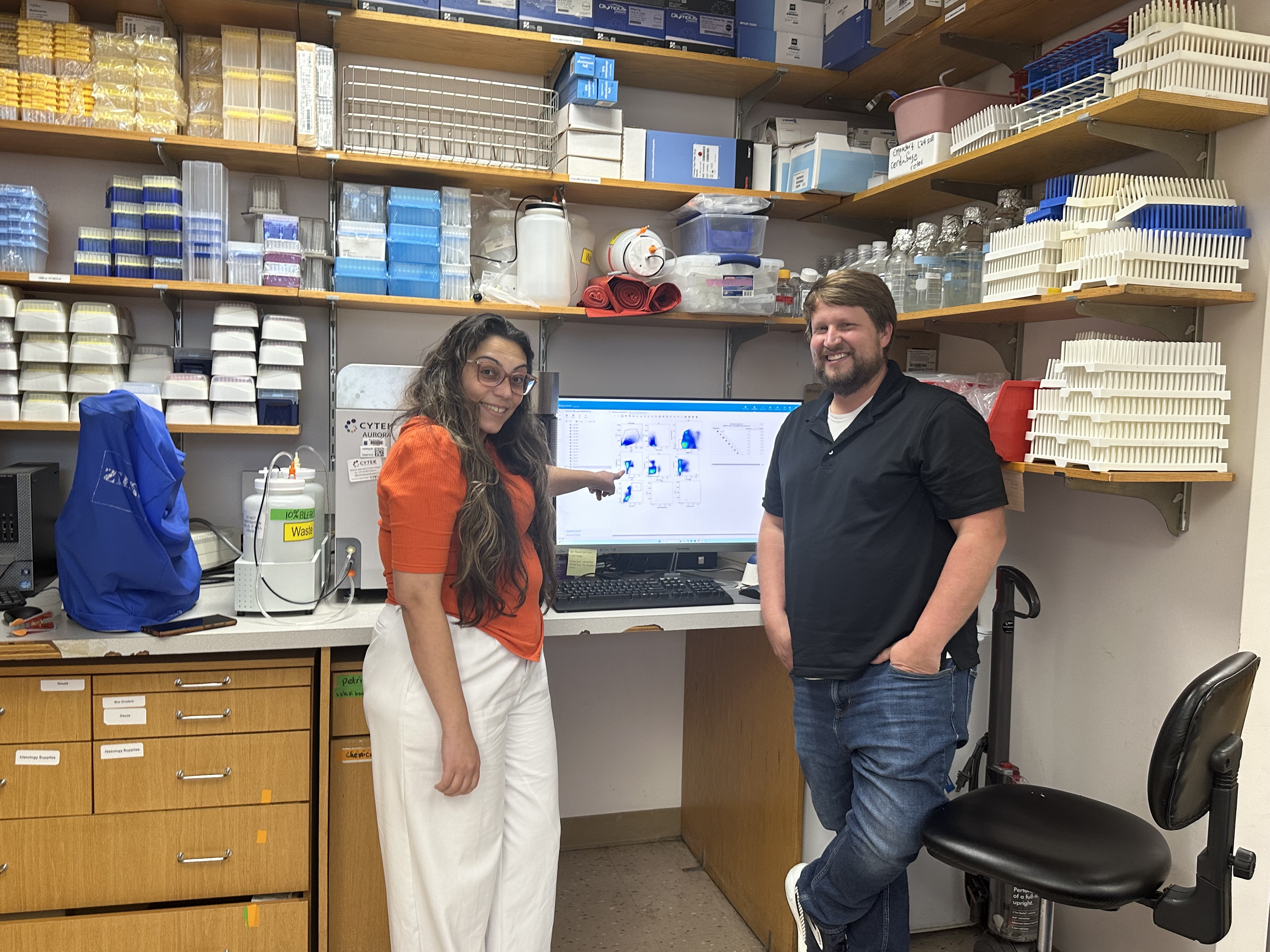
The class culminates in a visit to Duke’s campus, where the students are paired with active researchers who they interview in their labs. Then, they write profiles about the researchers and their work.
Students learn how to avoid jargon, focus on human storytelling, and select good quotes. One example can be seen in the profile of Jenna Moore, a cosmologist who has built instruments for observatories on high mountaintops, captured by students Ankit Biswas and Jack Chen:
“I compare working on top of a mountain to the show ‘Chopped,’ where you’re thrown into an intense environment with limited resources, and you just have to think on your toes really fast.”
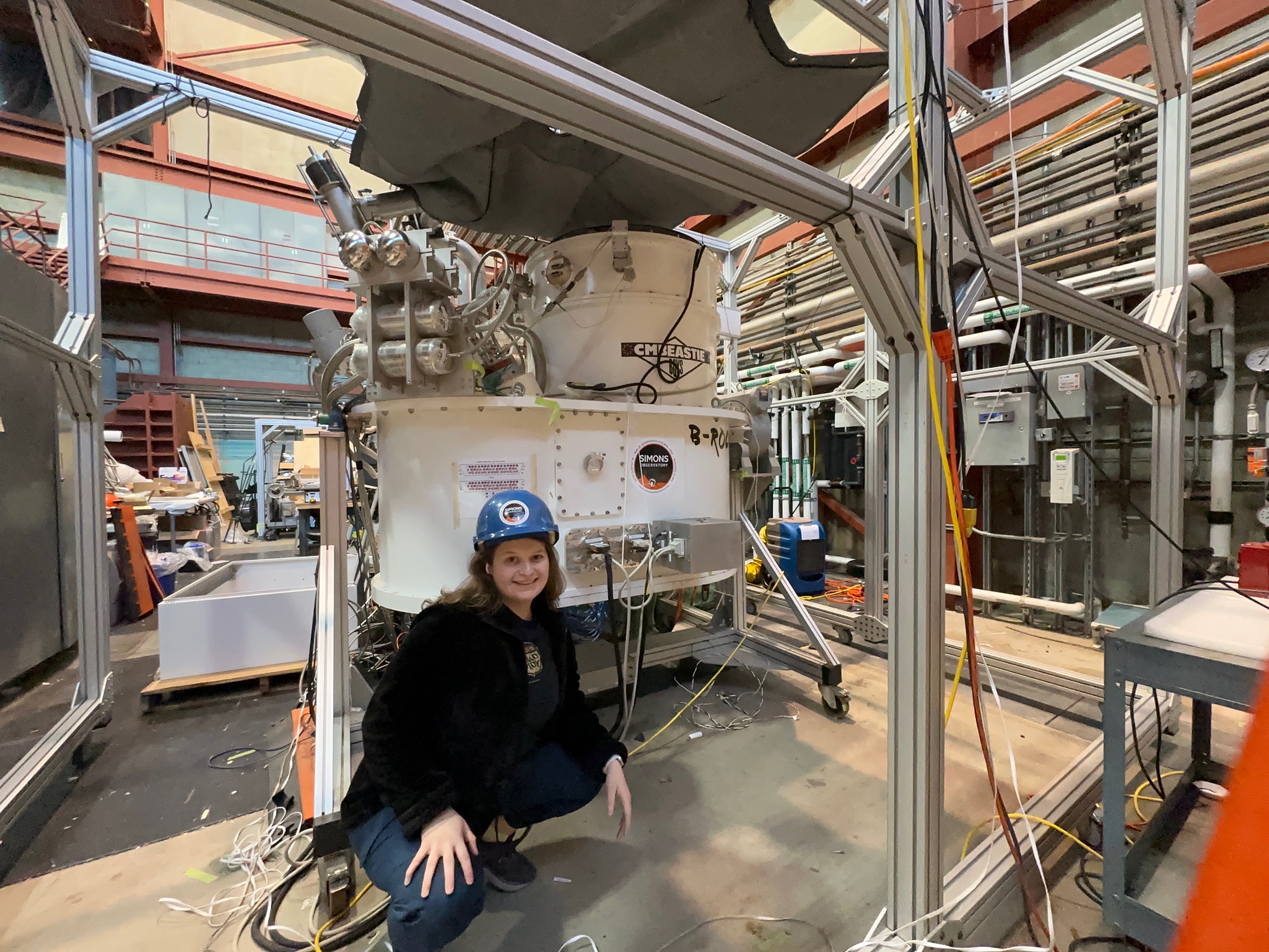
Partnering with Duke over the years has been essential to give the students a practical experience in interviewing, says Sheck. In addition to support from the communications teams at Duke sharing their journalistic expertise and connecting students with relevant researchers, members of Duke’s undergraduate research journal and science magazine Vertices jumped on board.
The Vertices team flexed their editing muscles and made a new home for the final written pieces by the students. All the stories can be read here.
The partnership also has knock on effects: Past NCSSM students have gone on to work at labs they visited for their interview projects.
“It’s never too early” for researchers to start developing science communication skills, Sheck says. “I would love to see more high schools do this.”